Skin Tightening: Non-surgical Options That Work
After losing forty pounds in my early forties, I ended up with loose skin on my face, neck, and jawline. I looked older than my actual age. Surgery was not something I wanted to do, so I spent about eighteen months trying non surgical skin tightening treatments. I tested radiofrequency, ultrasound, and laser devices. This is what I found out.
How Non-Surgical Skin Tightening Works
Non surgical skin tightening devices work by heating the deeper layers of your skin. The heat makes existing collagen fibers contract, which gives a small amount of immediate tightening. More importantly, the controlled injury triggers your body to produce new collagen over the next three to six months.
Two main energy types exist. Radiofrequency devices like Thermage and Profound heat the dermis, the layer just below the surface. Ultrasound devices like Ultherapy heat tissue at specific depths, including the same layer that surgeons tighten during a facelift. Both methods rely on your body's own healing response, so results are gradual and vary by person.
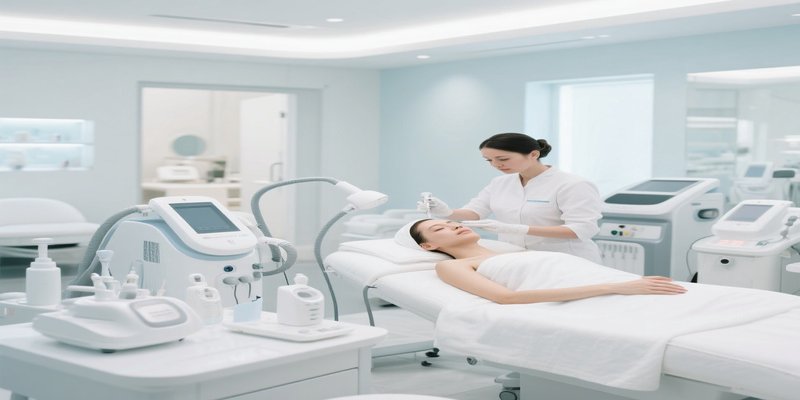
After researching skin tightening options, I decided to try a non-surgical approach. First, I booked a consultation where the practitioner assessed my skin laxity. Then I underwent a radiofrequency session that took about forty-five minutes. After that, I followed up with LED light therapy, and finally I maintained results with a firming cream recommended by the clinic.
The main limitation of non surgical skin tightening is how much improvement you can actually get. Clinical studies show an average of 10 to 30 percent improvement in skin tightness. That is noticeable but not dramatic. If you have mild to moderate laxity, meaning your skin sags slightly but does not form hanging folds, these treatments can give you a satisfying result. If you have significant laxity with loose folds under your chin or along your jawline, non surgical treatments will not fix it. Surgery is the better option at that point. I had mild to moderate laxity, and the improvement I saw was subtle. I noticed it, and I felt it was worth the money, but no one else would call it a transformation.
I also tried an at home device once. I used the highest setting on my forehead because I thought more energy meant better results. I ended up with a red burn mark that took two months to fade. That was a stupid mistake. Now I always test a new device on my inner arm first.
Radiofrequency Treatments
I had three Thermage treatments over the course of about a year and a half. I did not go every six months exactly. The first and second were about six months apart. Then I waited eight months before the third because I wanted to see how long the effect lasted. Each session felt like intense heat with occasional hot spots. The technician turned the energy down when I flinched. No pain afterward, just mild redness for a few hours. Around six months after my third treatment, I noticed my jawline looked a bit more defined and the crepey texture on my neck was less noticeable. The improvement was subtle. Friends said I looked well rested, not tightened.
Microneedling with RF
Microneedling combined with radiofrequency, like Morpheus8 or Profound, delivers RF energy through tiny needles that penetrate the skin. This combination allows the energy to reach deeper layers than surface RF alone. The needles create controlled micro-injuries that stimulate healing while the RF energy heats tissue for additional tightening.
This treatment is more aggressive than surface RF and requires downtime. Expect redness and swelling for three to five days, with possible pinpoint bleeding immediately after. Numbing cream makes the procedure tolerable, but it's not comfortable. Results are typically more significant than surface RF alone because the treatment reaches deeper tissue layers.
Ultrasound Treatments
Ultherapy uses focused ultrasound to heat tissue at specific depths, including the foundational layer addressed in surgical facelifts. This allows for lifting and tightening at deeper levels than radiofrequency can reach. Ultherapy is FDA-cleared for lifting the neck, chin, and brow.
The treatment is uncomfortable—patients describe it as feeling like hot pricks or electric shocks beneath the skin. Numbing medication helps, but the sensation is still significant. Results develop over two to three months and last approximately one to two years. I have not personally had Ultherapy, but friends who have report more noticeable lifting than RF alone, particularly in the brow area.
Non-ablative lasers like the Titan or Cutera Xeo heat the dermis to stimulate collagen. These treatments are gentler than ablative lasers, with minimal downtime. they typically produce less dramatic results than RF or ultrasound devices. Multiple sessions are required, usually four to six treatments spaced one month apart. Ablative fractional lasers, like CO2 or erbium lasers, remove the outer layer of skin while heating deeper layers. These provide more significant tightening but require significant downtime—one to two weeks of redness, peeling, and sun avoidance. The results are more dramatic than non-ablative options but come with higher risk and recovery time. Combination Approaches
Many practitioners recommend combining different technologies for optimal results. RF addresses the dermis, ultrasound reaches deeper structural layers, and lasers improve surface texture. A combination approach can produce more comprehensive improvement than any single device. costs add up quickly, and the cumulative downtime may be significant.
Realistic Expectations and Results
Non surgical skin tightening gives you subtle improvement. You will not look like you had a facelift. The goal is to look refreshed and slightly firmer, not dramatically different. Be careful with before and after photos in ads. They often use different lighting or different expressions, which makes the change look bigger than it really is. Ask to see photos taken in the same lighting with the same expression.
Results depend on your age, skin quality, and how loose your skin is. People in their forties with mild laxity do better than people in their sixties with significant sagging. Smokers and people with heavy sun damage do not respond as well because their skin has less collagen producing capacity left. If you smoke, quitting will improve your results more than any device.
Maintenance and Longevity
Non-surgical tightening results are not permanent. Collagen continues to break down with aging, and new treatments are needed to maintain results. Most patients schedule maintenance treatments every twelve to eighteen months. The investment is ongoing rather than one-time.
Protecting your results requires diligent sun protection, as UV exposure breaks down collagen. A healthy lifestyle, adequate sleep, and good skincare support the results of professional treatments. Think of non-surgical tightening as part of a comprehensive approach to aging gracefully rather than a single solution.
Most Read
Nail Stamping: Professional Designs in Minutes

The Return of 90s Hairstyles: Claw Clips and Braids
Preventative Botox: When to Start and What to Expect
Rich Moisturizers for Dry Skin With 24-Hour Hydration

The Rise of Air-Drying: How to Style Hair Without Heat